Legit Paid Survey Sites vs. Scams: How to Tell the Difference in 2026
Abdullah Al Noman, Project Head, ZySurveys · · 4 min read
 ZySurveys Team
Most paid survey sites are legitimate, but scams built to look like them are common enough that the FTC tracks them as their own fraud category. The good news: real survey scams almost always share the same handful of warning signs, and legit platforms share the same handful of trust markers. Here's exactly what to check before you hand over your time, or your personal information, to any survey site.

Are Paid Survey Sites Actually Legit?
Yes, reputable survey and rewards platforms are a real, if modest, way to earn extra money, and market research companies genuinely do pay for consumer opinions. The problem isn't the industry itself; it's that scammers copy the format (a "survey" that pays you) because it's an easy disguise for phishing and advance-fee fraud.
How Big a Problem Are Survey and Opportunity Scams?
Consumers reported losing more than $12.5 billion to fraud in 2024a 25% jump from the year before, according to the Federal Trade Commission. "Business and job opportunity" scams, the broader category survey scams fall under, accounted for roughly $750.6 million of that, with job and employment-agency scams alone costing another $501 million. Survey scams aren't broken out as their own line item, but they live inside these numbers, which is exactly why the FTC and consumer sites publish recurring warnings about them.
9 Red Flags of a Survey Scam
Scammers reuse the same playbook. Watch for:
- Unrealistic pay for tiny effortthink $250 for a 15-minute survey. Legitimate survey pay is typically well under $10/hour.
- Unsolicited invitationsa random text, email, or pop-up "inviting" you, rather than you signing up directly.
- No identifiable company name anywhere on the offer.
- A brand-new website with no track record (check when the domain was registered).
- No privacy policy or terms of service.
- No real contact informationno address, phone number, or support email beyond a generic Gmail account.
- Requests for sensitive data upfrontbank account numbers, Social Security numbers, or a copy of your ID before you've even taken a survey.
- Any request for paymenta "registration fee," "processing fee," or "unlock fee" to access surveys or withdraw earnings.
- Poor site qualitybroken links, spelling errors, or no HTTPS padlock in the address bar.

How to Verify a Survey Site Is Legit
Before you sign up anywhere, run through this checklist:
| Check | What to Look For |
|---|---|
| Company info | A real "About" page, physical address, and support contact |
| Privacy policy | Clearly states how your data is collected, used, and (not) sold |
| Payout proof | Verifiable reviews or payment proof from actual users, not just testimonials on the site itself |
| Reputation | Search "[site name] + reviews" or "[site name] + scam" and check the Better Business Bureau |
| Cost to join | $0, always. No legitimate survey platform charges you to participate |
| Security | HTTPS padlock in the browser bar on every page, especially at signup and payout |
What Legit Survey Sites Never Ask For
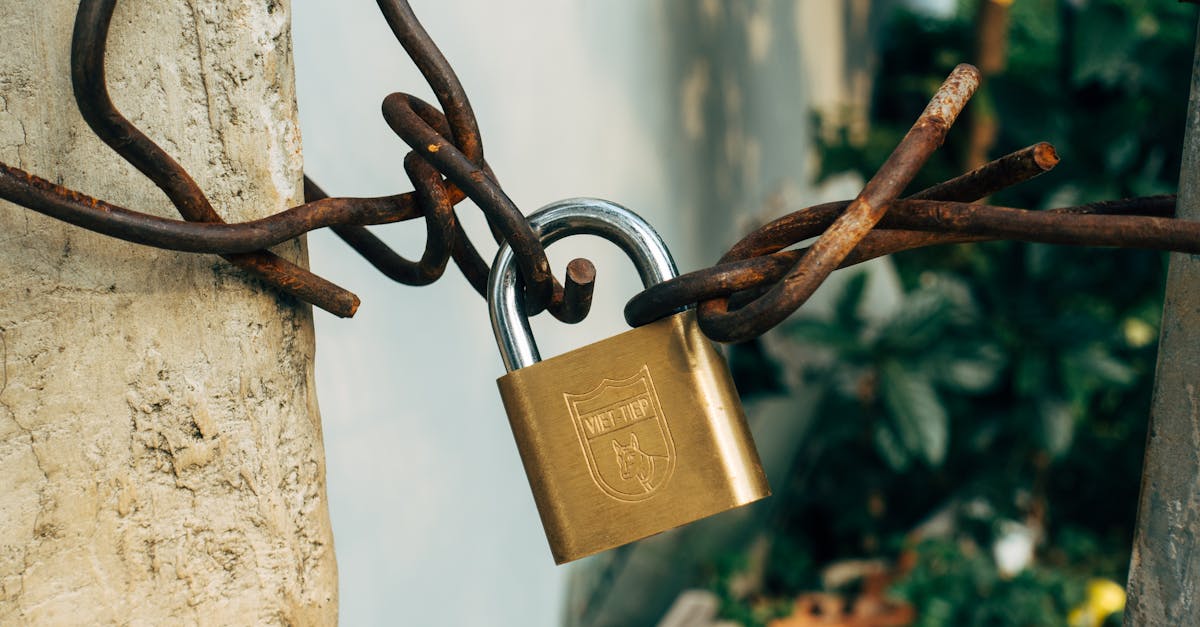
- Payment of any kind to join, unlock surveys, or "release" your earnings
- Your full Social Security number before you've earned anything payable (US tax forms are only requested once you cross an actual IRS reporting threshold)
- Your online banking username and password (a payout method like PayPal or a linked debit card for transfers is normal, your bank login is not)
- Remote access to your computer or phone
- Cryptocurrency or gift cards sent *to* the company
What ZySurveys Does Differently
ZySurveys is free to join, never charges fees at any step, and pays out through transparent methods like PayPal, bank transfer, and gift cards once you hit the payout threshold. If something ever asks you to pay to unlock a reward, it isn't us, report it.
Frequently Asked Questions
Are paid survey sites safe to use?
Reputable, well-reviewed survey platforms are safe for casual extra income. The risk comes from unverified sites that mimic the format, always check for a privacy policy, real contact info, and zero cost to join before sharing any personal information.
Do legit survey sites ever ask for payment?
No. A request for payment, for "registration," "processing," or to "unlock" your earnings, is one of the clearest signs of a scam. Legitimate platforms never charge you to participate.
What's the single biggest red flag of a survey scam?
Unrealistic pay for minimal effort (e.g., large sums for a few minutes of work) combined with a request for sensitive personal or financial information before you've done anything.
How can I verify a survey company before joining?
Check for a real privacy policy, verifiable contact information, independent reviews (not just testimonials on their own site), a Better Business Bureau listing, and confirmation that joining and participating are completely free.
What should I do if I already shared sensitive information with a scam site?
Stop all further contact with the site, change any passwords you may have reused, monitor your bank and credit accounts, and report the incident to the FTC at reportfraud.ftc.gov.
Start earning with ZySurveys
- Paid surveys in the United States
- Paid surveys in the United Kingdom
- How ZySurveys works
- Questions about getting paid
avoid survey scams, legit survey sites, survey site reviews, is paid surveys safe, survey scam red flags, online survey safety
Related Articles
- Are Paid Surveys Legit? 10 Red Flags That Reveal a Survey Scam
- How to Spot Paid Survey Scams: 7 Red Flags to Avoid in 2026
- Are Survey Sites Safe? How to Protect Your Personal Data
- Gift Card Scams: 9 Red Flags and How to Protect Yourself in 2026
- How to Spot Survey Site Scams: Red Flags the FTC and BBB Want You to Know
- CPX Research Review: How the Survey Network Behind Many GPT Sites Works
- Do Paid Surveys Actually Pay? Honest Numbers for 2026
- The Survey Market in 2026: Growth Trends, AI Disruption, and How to Get Paid for Your Opinion
- Best Legitimate Ways to Earn Money Online in 2026
- How the Paid Survey Industry Actually Works (And Why Companies Pay for Your Opinion)