Side Hustles UK: 10 Ways to Earn Extra in 2026
Abdullah Al Noman, Project Head, ZySurveys · · 7 min read
A second income doesn't have to mean a second job. Plenty of people in Britain add a bit extra each month from things they can do in the evening, at the weekend or on the bus home. The ONS counted 1.293 million people with second jobs in April to June 2026, and that doesn't include everyone earning a little on the side.
Here are 10 side hustles in the UK that work around a full-time job in 2026, what each one realistically takes, and how the £1,000 trading allowance affects what you keep.
Want to start today? Join ZySurveys free.
Side hustles in the UK you can do from your phone

1. Take paid surveys
Surveys are the easiest side hustle to start. You sign up, fill in a profile and take surveys when you have ten spare minutes. The pay per survey is small, so treat it as pocket money rather than a wage.
On ZySurveys you earn in US dollars and see your balance in pounds too. UK members can cash out to Recipient's Choice gift cards, prepaid Visa or Mastercard, or Wise, with a first payout from $10 and later ones from $5. Our guide to paid surveys in the UK has the details.
Best for: commuters and anyone with short gaps in the day.
2. Play games and try offers
Rewards sites also pay for reaching levels in mobile games or trying new apps. The rewards are bigger than a single survey, but they take days or weeks to complete. Read each offer's requirements before you start.
Best for: people who already play games on their phone. See our list of games that pay real money.
3. Test websites and apps
Usability testing means using a website while you talk through what you're doing. Tests usually take 15 to 30 minutes and pay more than surveys, but there are fewer of them and you'll need a quiet room and a microphone.
Best for: clear speakers who don't mind recording their screen.
Side hustles that use what you already have

4. Sell clothes and things you don't use
Clearing out a wardrobe is the quickest way to raise a few hundred pounds. Photograph items in daylight, write honest descriptions and post parcels promptly. Selling your own used belongings is decluttering, not trading, but buying items to resell is a business.
Best for: anyone with a full loft or a teenager who's outgrown everything.
5. Rent out a parking space or storage
If you live near a station, stadium or town centre, a driveway or garage you don't use can earn money with almost no work. Check your lease or mortgage terms first.
Best for: homeowners in busy areas.
6. Rent out equipment
Power tools, camera gear and camping kit often sit unused most of the year. HMRC's trading allowance specifically mentions income from hiring out personal equipment like power tools.
Best for: people with good kit and neighbours who'd rather borrow than buy.
Side hustles that use your time and skills

7. Dog walking and pet sitting
Many people work long days and need someone to walk the dog at lunchtime or feed the cat over a weekend away. Start with neighbours and friends, then build up reviews. Check whether you need insurance before you take on regular clients.
Best for: animal lovers who work from home or have free lunchtimes.
8. Online tutoring

If you're good at maths, English, a science or a language, tutoring pays well per hour and can be done from home in the evening. Most tutors for children need an enhanced DBS check.
Best for: graduates, teachers and anyone patient with a subject they know well.
9. Food delivery by bike
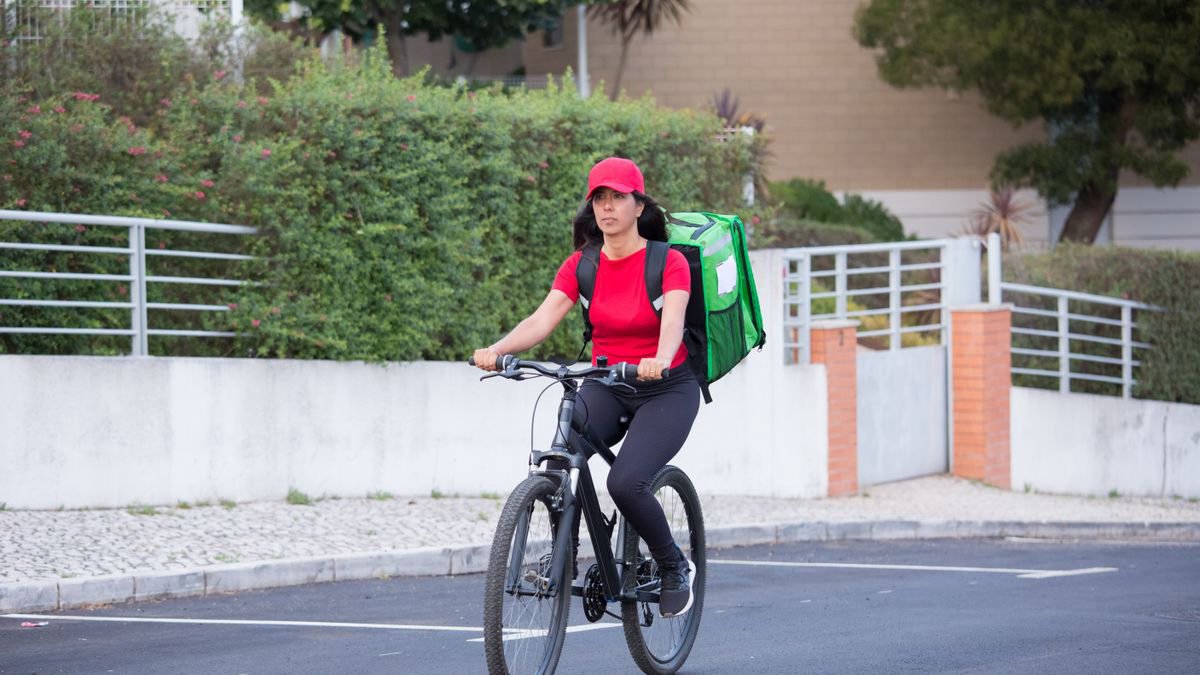
Delivery work is flexible: you log on when you want and stop when you're done. Earnings depend on your area and the time of day, and you'll need your own bike or scooter and insurance.
Best for: fit people in cities who want to choose their own hours.
10. Freelance admin and writing

Small businesses often need help with emails, social posts, bookkeeping or proofreading for a few hours a week. Start with people you know, and agree the rate and the work in writing before you begin.
Best for: organised people with office experience.
Side hustle tax in the UK: the £1,000 trading allowance
HMRC gives everyone a trading allowance of up to £1,000 a year. If your gross income from self-employment and casual services is £1,000 or less in a tax year, you generally don't need to report it. Keep records anyway.
Three things catch people out:
- It's gross, not profit. £1,200 of sales with £400 of costs is still over the allowance.
- It's one allowance for everything. Dog walking plus tutoring plus surveys all count together.
- Over the line means Self Assessment. HMRC says you need to register if your gross trading income goes over £1,000.
We cover the US and UK rules in more detail in our guide to taxes on survey money.
How to pick the right side hustle
- Count your real free time. Ten minutes on a train suits surveys. A free Saturday suits pet sitting or selling.
- Start with what costs nothing. Surveys, selling what you own and tutoring need no upfront spend.
- Combine two. One quick option for small gaps and one bigger one for free days works better than chasing one perfect idea. Our guide on making $100 a week online shows how small sources add up.
- Never pay to start. Real side hustles don't charge you a joining fee. Our guide to spotting survey site scams lists the warning signs.
What to expect in your first month
Most side hustles start slowly. The first few weeks are about learning what works for you, not about the money. With surveys, you'll be screened out of some at first, and that's normal; our guide on why there are sometimes no surveys available explains why. With selling, your first listings teach you what sells and at what price. With tutoring or pet sitting, the first client is the hardest to find, and the second usually comes from the first.
Give one or two options a fair try for a month, note what you earned and how long it took, and work out a rough hourly figure. Keep what's worth it and drop the rest. That simple check stops you from spending evenings on something that pays less than you thought.
Conclusion
The best side hustles in the UK fit around the life you already have. Start small, keep a note of what you earn so the £1,000 trading allowance doesn't surprise you, and drop anything that isn't worth your time.
Ready to try surveys? Join ZySurveys free. Sign-up is open in the UK.
Frequently asked questions
How much can I earn from a side hustle before paying tax in the UK?
The trading allowance covers up to £1,000 of gross trading income a year. Above that, you register for Self Assessment, and tax depends on your total income and allowances.
What is the easiest side hustle in the UK?
Paid surveys and selling things you no longer use are the easiest to start, since they need no skills, no equipment and no upfront cost. They pay less than skilled work like tutoring.
Can I do a side hustle while employed full time?
Usually yes, but check your employment contract for rules on outside work or conflicts of interest. Keep side work out of your working hours.
Do I need to tell HMRC about selling my old clothes?
Selling your own used belongings for less than you paid is generally not trading. Buying things to sell on for a profit is, and that income counts towards the trading allowance.
side hustles uk, side hustle ideas uk 2026, trading allowance £1,000, paid surveys uk, make extra money uk
Related Articles
- Mistplay App Review 2026: How It Works and a Way to Get Paid in Cash
- Mobile Apps to Earn Money: 8 Types That Actually Pay in 2026
- Side Hustles for Retirees: 9 Flexible Ways to Earn in 2026
- Side Hustles for Nurses: 10 Flexible Ways to Earn Around Your Shifts
- Side Hustles for Stay-at-Home Parents: 11 Flexible Ideas for 2026
- Games That Pay Real Money: How Game Rewards Work in 2026
- KashKick Reviews 2026: Is It Legit, and Is There a Better Option?
- Top Survey Sites: 10 Things the Best Ones Have in Common (2026)
- Paid Surveys for Cash: How to Get Real Money, Not Points (2026)
- Online Surveys for Money: How They Work and What They Pay (2026)